
A Complete Guide to Forceps!
When it comes to entomology, having the right tools can make all the difference in the quality of your work. Whether you are an experienced entomologist or a passionate hobbyist, forceps are one of the most essential tools in your arsenal. They allow you to handle delicate specimens with precision, ensuring their integrity while performing tasks like dissection, pinning, and research. This guide explores some of the most commonly used forceps in the field of entomology, highlighting their unique features, uses, and the benefits they bring to your scientific work.
Swiss Forceps: Precision and Versatility for Every Task
Swiss Forceps are a must-have for anyone in entomology. These forceps are known for their superior craftsmanship and are designed for tasks that require the utmost accuracy. Available in four distinct types, each with unique features, Swiss Forceps are perfect for handling everything from tiny insects to delicate plant parts.
Why Choose Swiss Forceps?
- Superior Precision: With fine, pointed tips, these forceps excel at grasping even the tiniest specimens without causing damage.
- Premium Stainless Steel: Made from high-quality, rust-resistant stainless steel, these forceps are built to last and withstand extended use in the lab or field.
- Ergonomic Design: The design ensures a comfortable grip, which reduces hand fatigue during long hours of work.
Different Types of Swiss Forceps
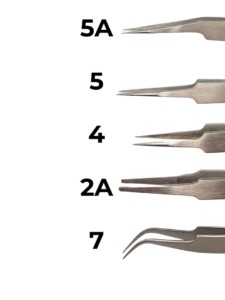
- Forceps #2A: Features flat, rounded tips that match precisely, offering excellent control over delicate specimens. The 4-3/4″ length makes it ideal for larger insects or plants.
- Forceps #4: Straight, fine-honed tips with matching ends provide precision and are great for tasks that require a steady hand.
- Forceps #5: Super-fine honed tips allow for the most delicate handling of specimens, with a length of 4-3/8″, perfect for intricate tasks.
- Forceps #5A: With curved blades and super-fine honed tips, these forceps are designed for accessing hard-to-reach areas or specimens that require more precise handling.
- Forceps #7: Curved and Pointy Tips that allow precision and delicacy towards specimens.
Featherweight Forceps: The Gentle Touch for Insects
When handling delicate insects, Featherweight Forceps are designed to give you the control and care you need. These forceps are often referred to as “butterfly forceps” because of their gentle touch, making them indispensable for entomologists.
Key Features:
- Entomology-Centric Design: The finely tapered tips allow for delicate manipulation of insect bodies without damaging their fragile structures.
- Ultra-Lightweight Build: Designed to reduce hand fatigue, the lightweight nature of these forceps makes them perfect for extended handling.
- Versatile Applications: While ideal for entomology, these forceps are also suited for scientific research, conservation efforts, and educational purposes.
Types of Featherweight Forceps:
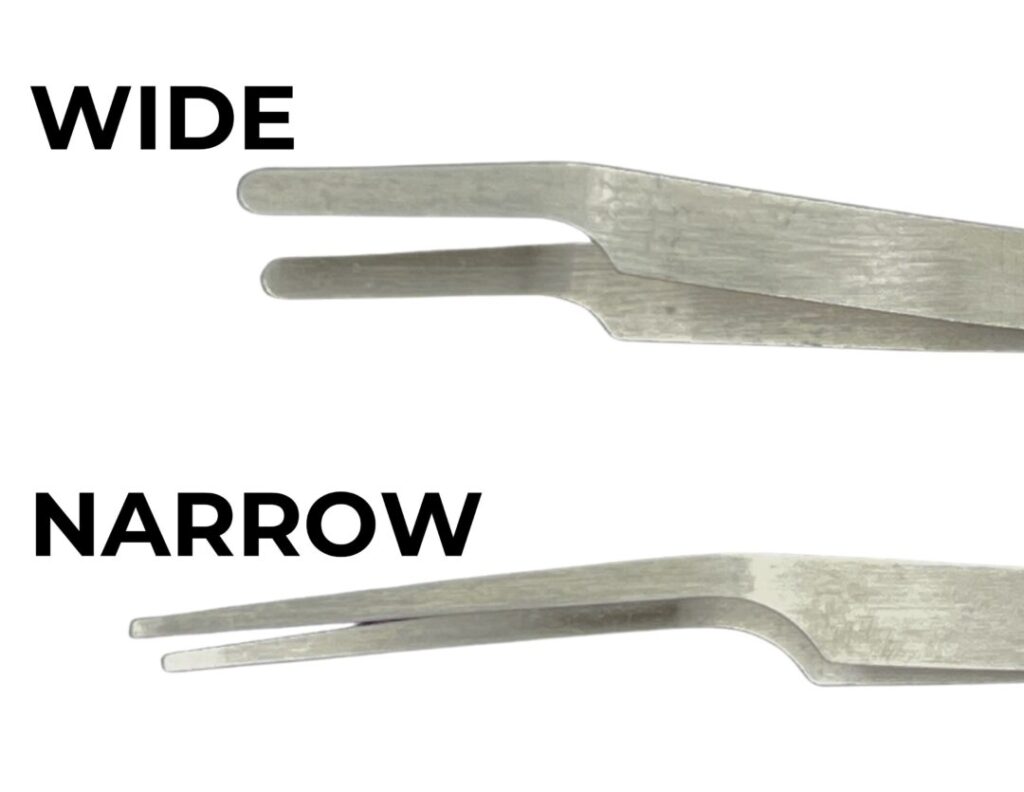
- Wide Tip: Ideal for handling larger insects or specimens that require a firmer grip.
- Narrow Tip: Perfect for dealing with smaller insects or when extra precision is required.
Pinning Forceps: For Perfectly Positioned Specimens
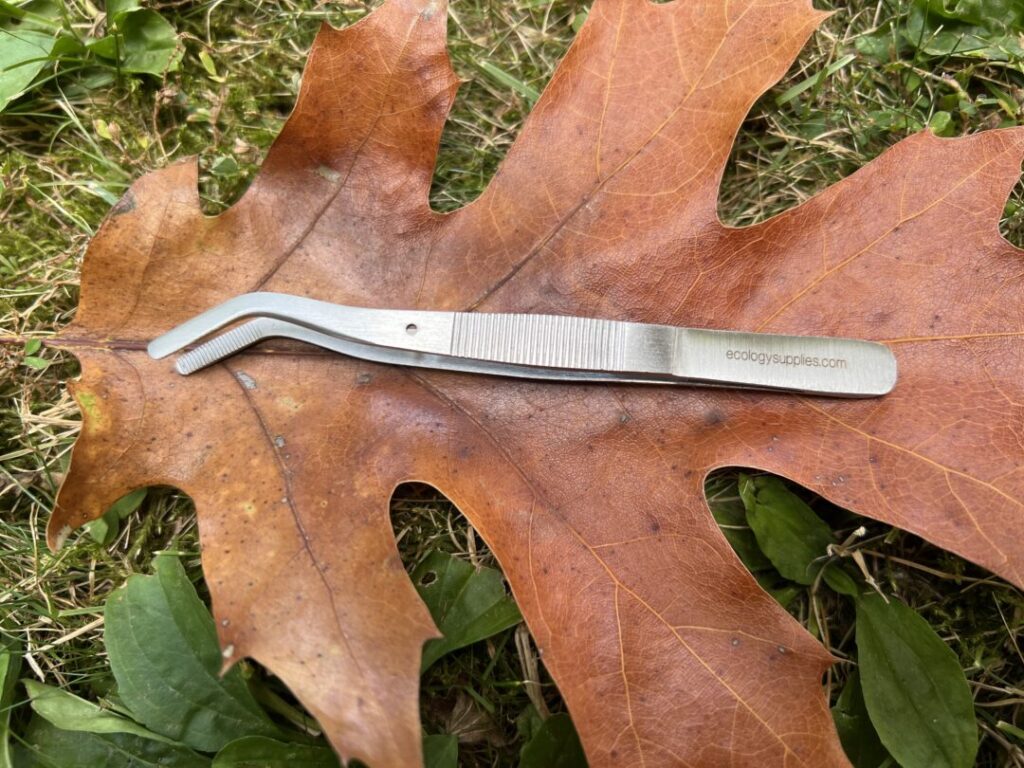
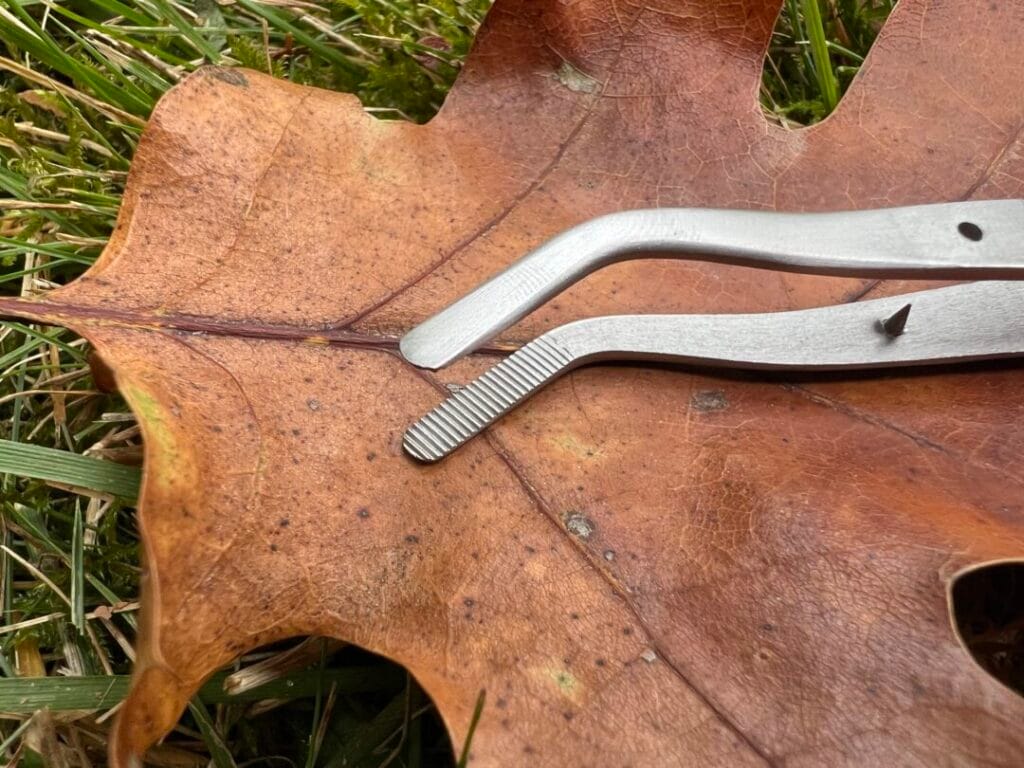
Pinning Forceps are specifically designed for the task of pinning insects, which is an essential step in preserving specimens for study. Their grooved tips allow for a secure grip on pinning needles, ensuring accuracy and preventing damage to the insect.
Why Choose Pinning Forceps?
- Grooved Tip Design: Ensures that the pinning needle stays securely in place, reducing the risk of slipping during the pinning process.
- Specialized for Insect Preservation: These forceps are made for delicate handling and precise placement, key for preserving specimens in collections.
Curved Tip Forceps: For Easy Handling in Tight Spaces
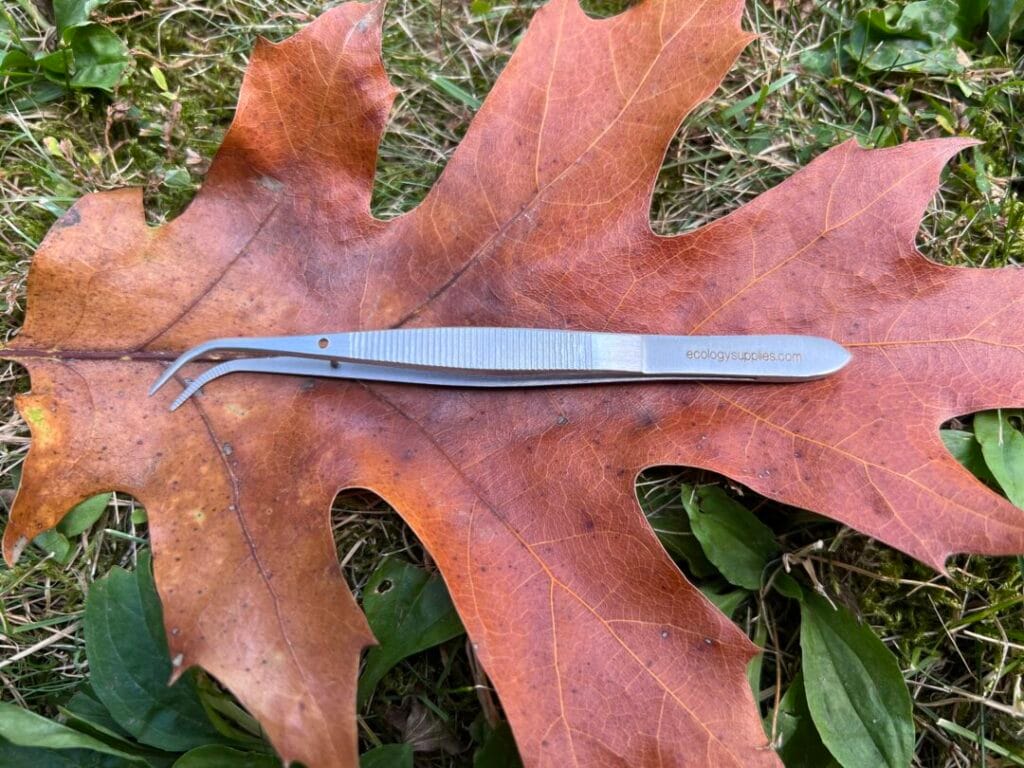
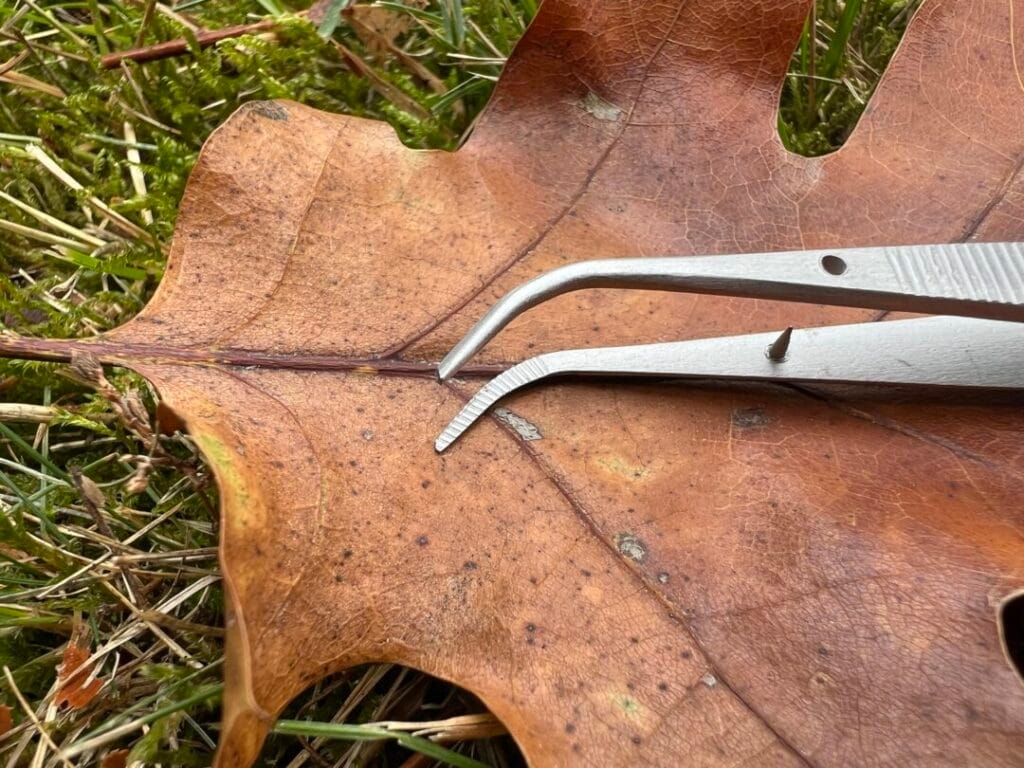
Curved Tip Forceps are one of the most versatile types in entomology, designed to provide access to hard-to-reach areas. The curved tips allow for precise maneuvering around delicate body parts without causing harm.
Key Benefits:
- Curved Design: Perfect for working in tight spaces or when accessing specific parts of an insect.
- Stainless Steel Construction: As with all our forceps, these are crafted from durable stainless steel for long-term use.
- Multi-Use Tool: Ideal for entomology, dissection, and a variety of lab tasks.
Lightweight Forceps: Wide OR Narrow
Lightweight Forceps are similar to our Featherweight Forceps. However, these forceps are more for everyday use but still handle specimens with delicacy. Hence the name, this new tool is light and easy on the hand.
Types of Lightweight Forceps:
Wide: Used for larger specimens that need a firm grip.
Narrow: Perfect for hard to reach specimens or smaller insects that are delicate.
Spade Tip Forceps: For Specialized Tasks
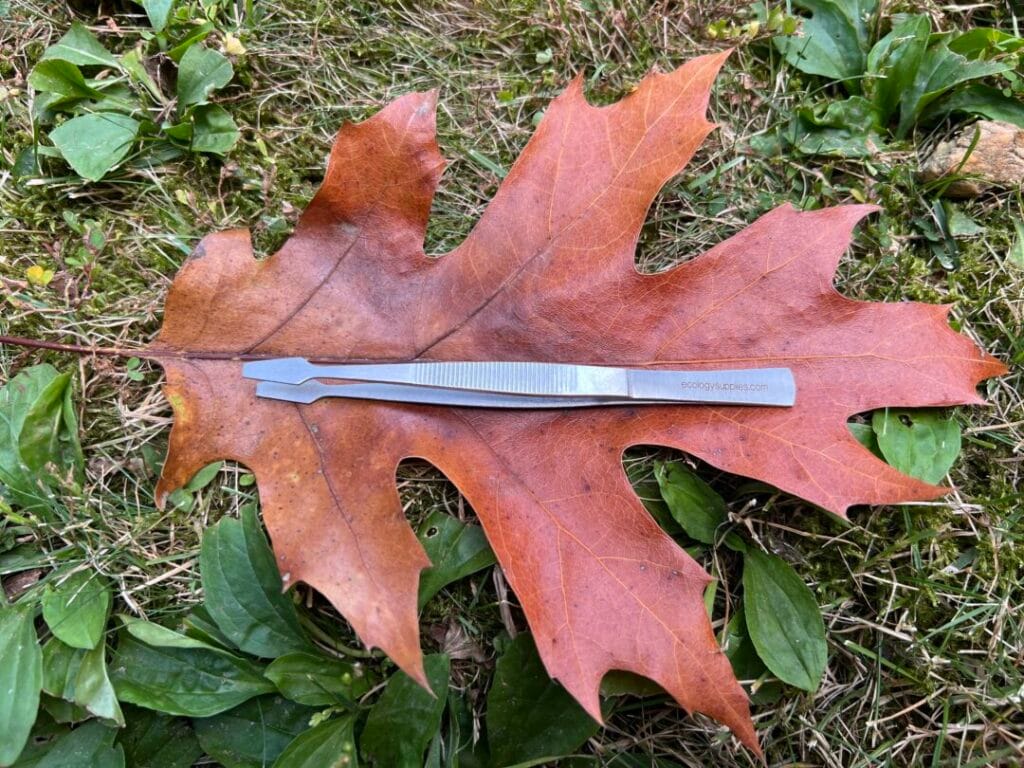
Spade Tip Forceps are unique due to their flat, wide tips that resemble a spade. These forceps are perfect for handling larger specimens or performing tasks that require more surface area grip, such as positioning or moving larger insects.
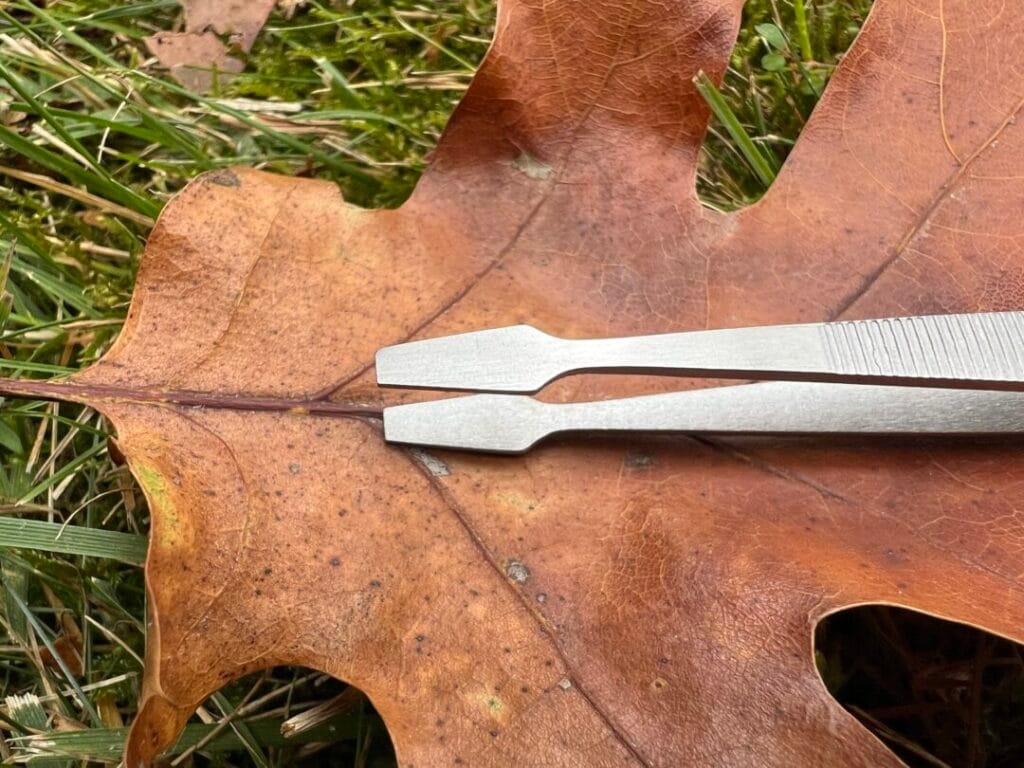
Features:
- Spade Tip: Allows for a larger surface area to handle specimens with ease.
- Durability: Made from stainless steel for long-lasting performance.
Additional Information
Additional insights from the Purdue University Entomology Extension on the utility of forceps in insect handling.
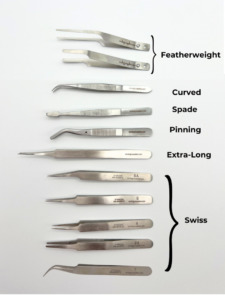
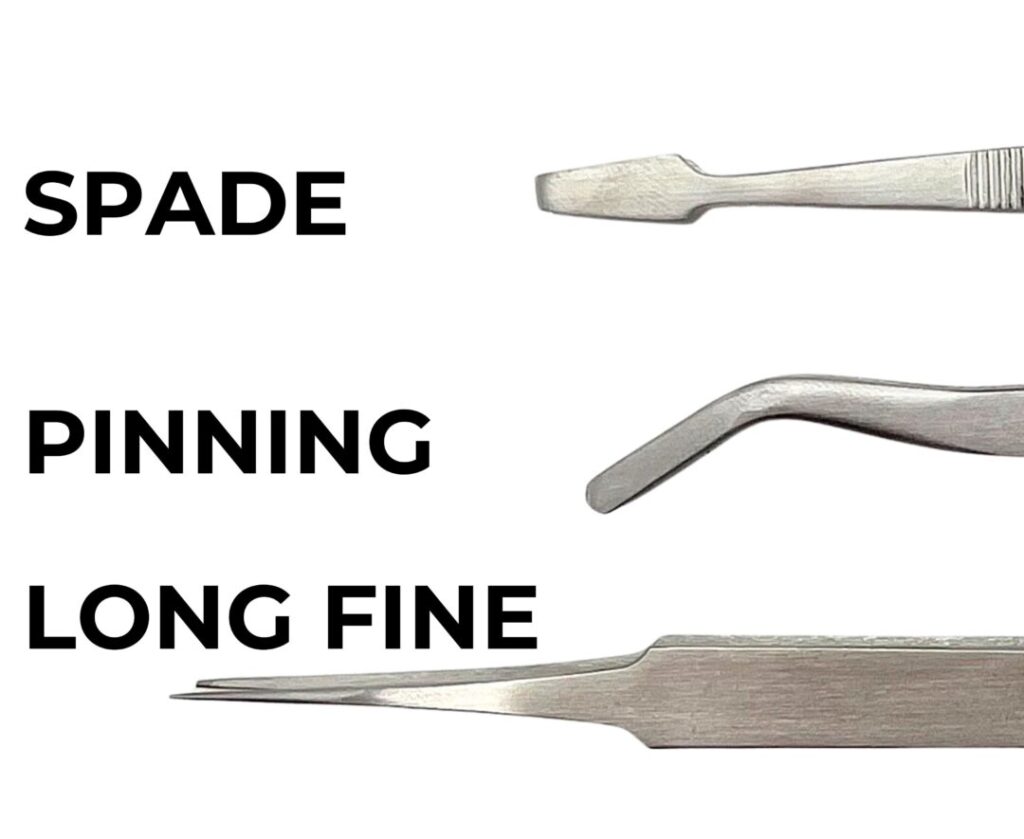
Spade + Pinning + Long Fine Straight Wide Featherweight + Narrow Featherweight Swiss 2A-7 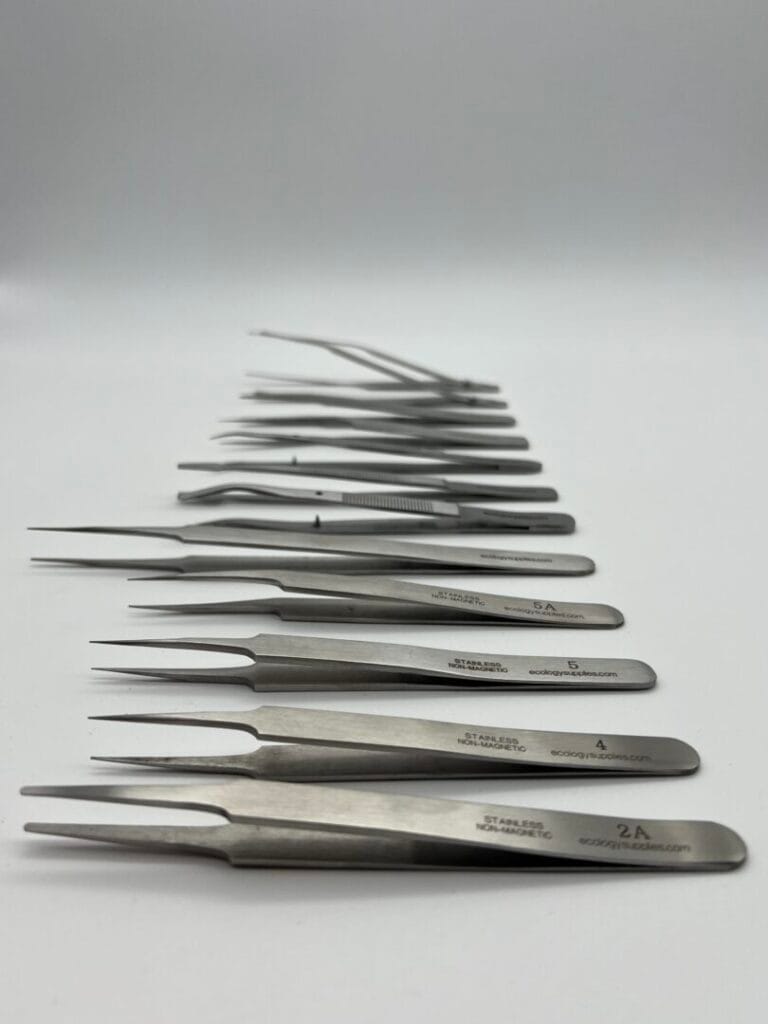
All Forceps 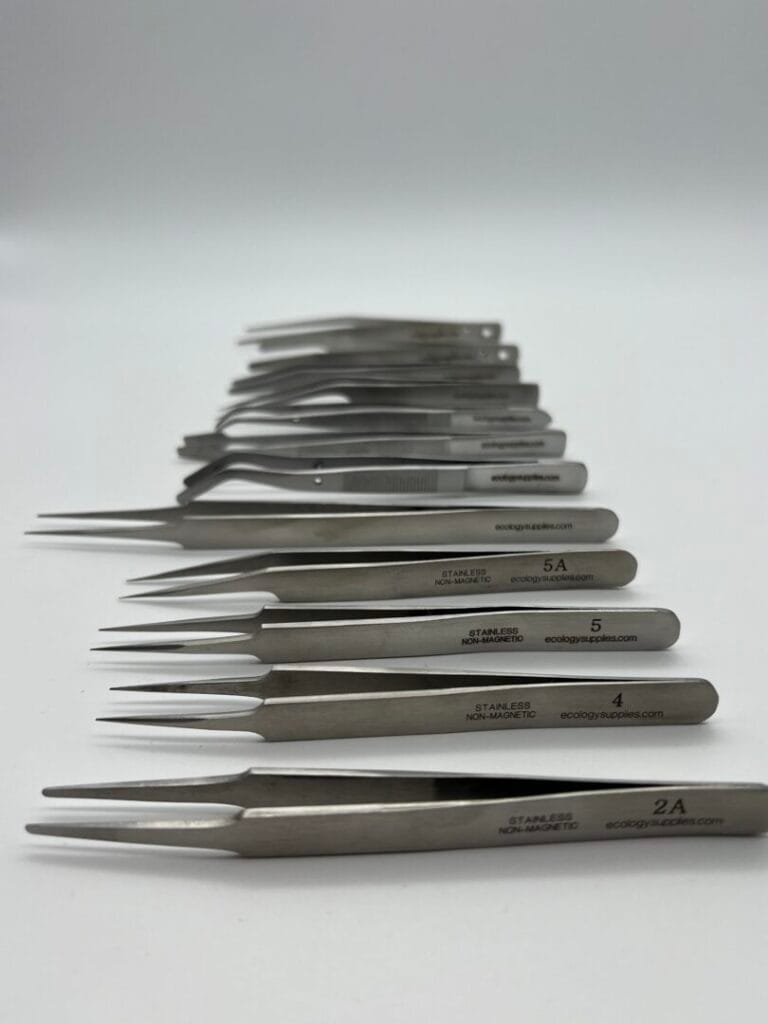
All Forceps