
Description
EVS Collection Bag – General Product Information
Encephalitis Vector Surveillance (EVS) Traps are commonly used to attract female mosquitoes that are seeking a blood meal from a host. They are widely popular across vector monitoring programs and control districts due to its easy deployment. This is mostly attributed to the traps portable and lightweight design as well as documented ability to capture of a range of species.
With the use of dry ice, the carbon dioxide produced simulates the exhale of a potential host, which attracts the mosquitoes. Once near the trap, the mosquitoes are suctioned into the trap by the airflow created by a small motorized fan. Inside the trap, the mosquitoes are kept in a collection bag made of mesh. Later, the mosquitoes are collected for identification and testing. Some traps are also paired with a light source as an additional attractant. Traps are typically deployed over night across multiple locations to help with the surveillance of mosquito-borne diseases (ex: Malaria, West Nile Virus, Western Equine Encephalitis).
These traps have 4 main components: an attractant, a motorized fan, a battery, and a collection bag.
Key Features of the EVS Collection Bag:
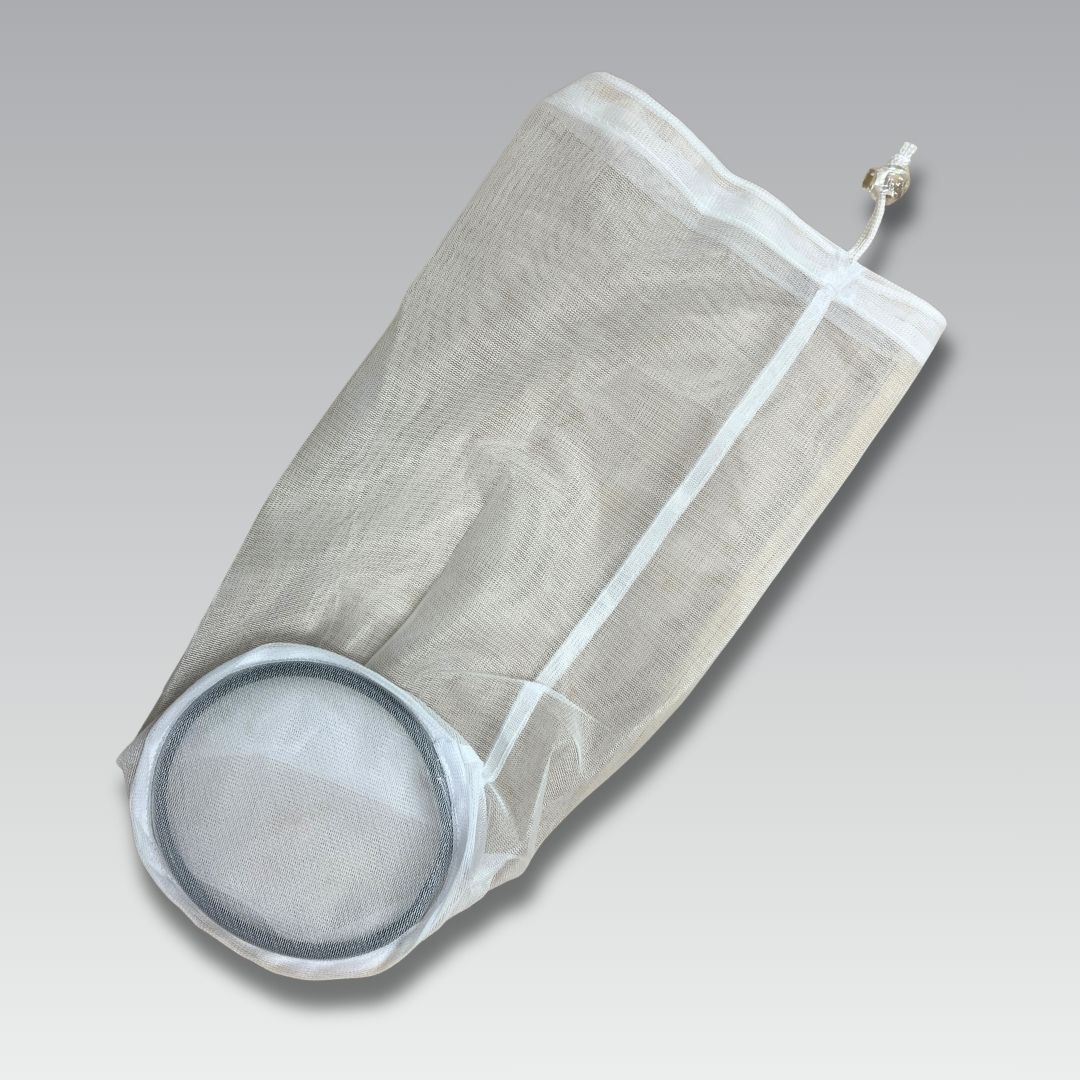
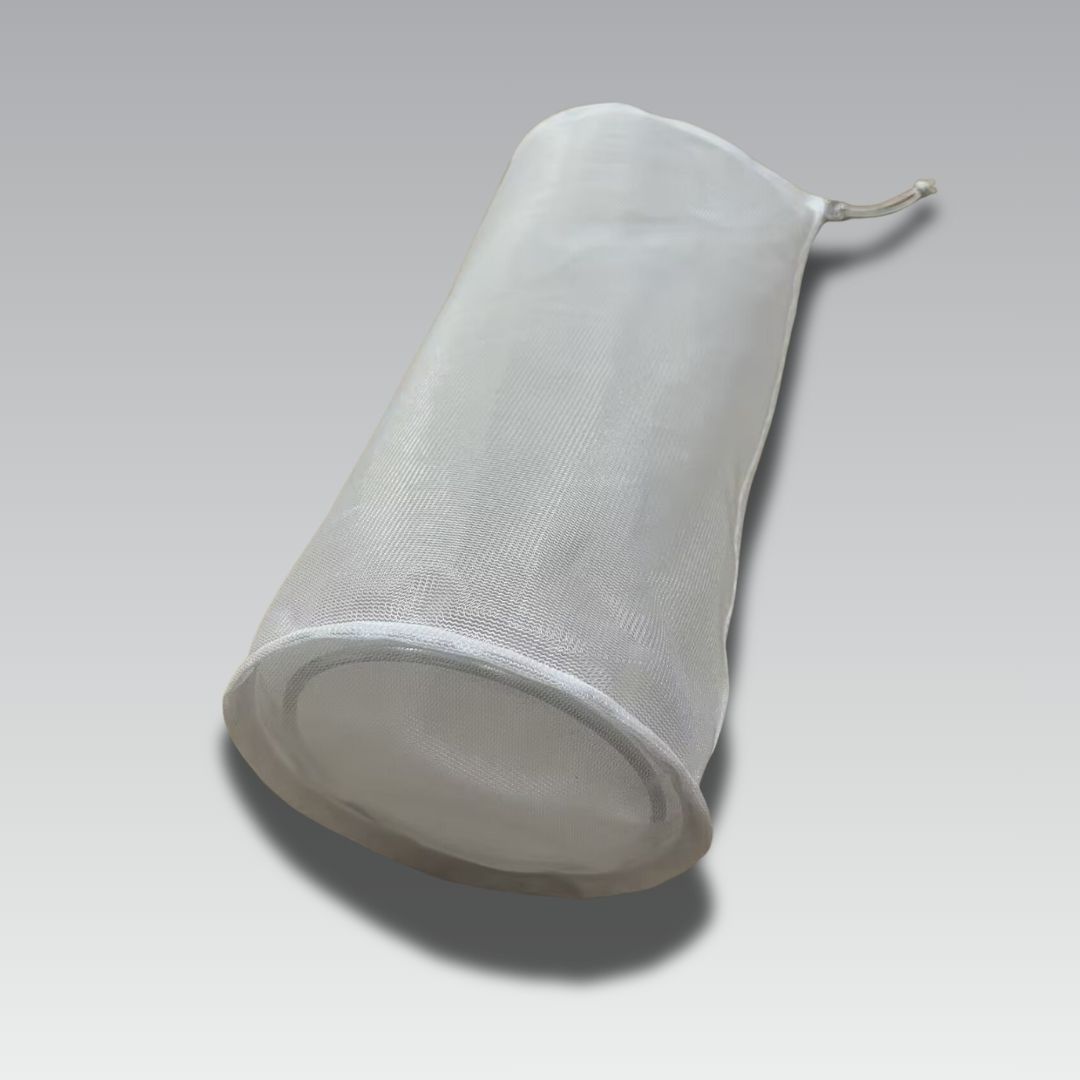
- 5″ metal ring – sewn into the bottom of the bag to allow for the bag to remain open during collection
- Drawstring closure – bungee style closure which allows for securely attaching to traps as well as keeping specimens contained between the field and lab.
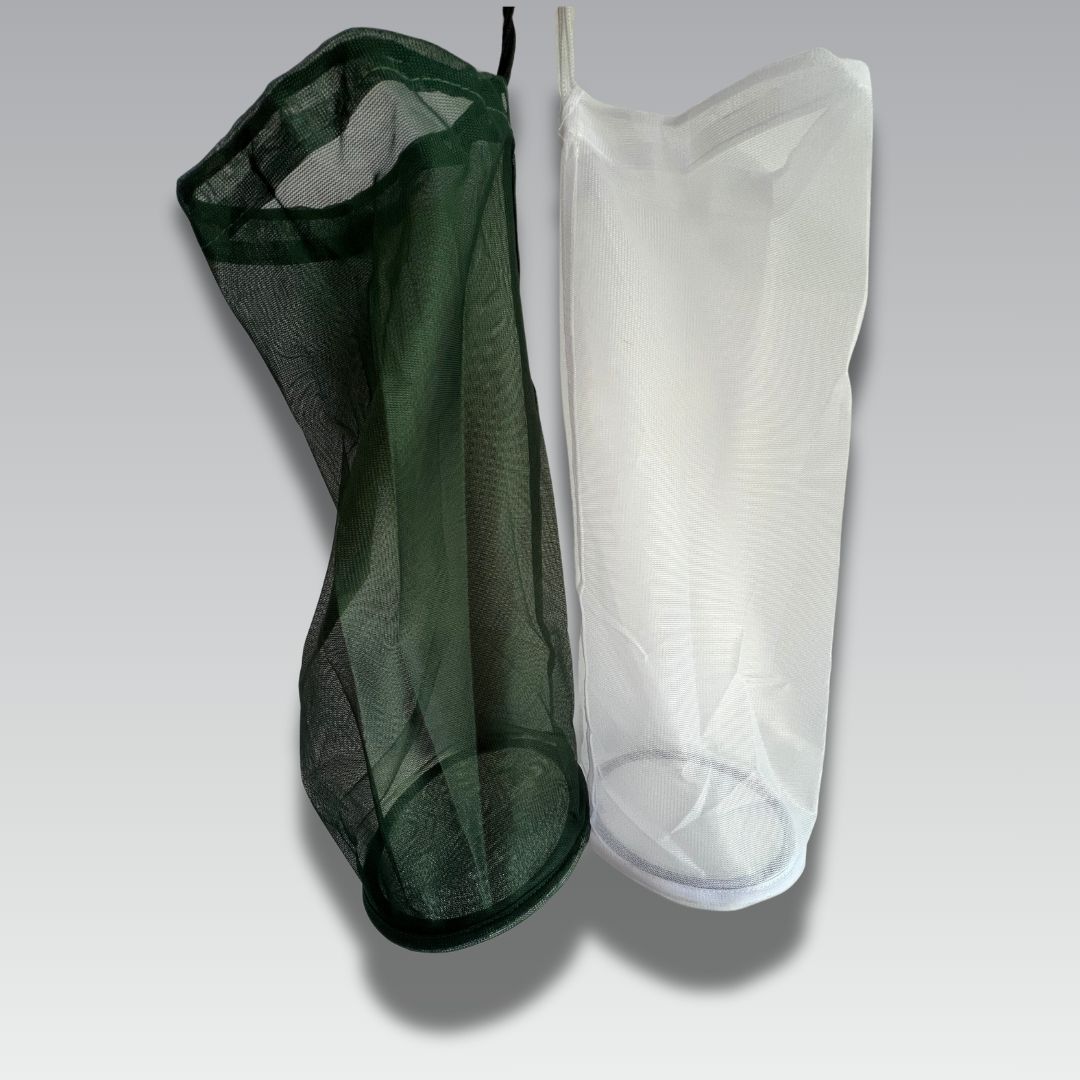
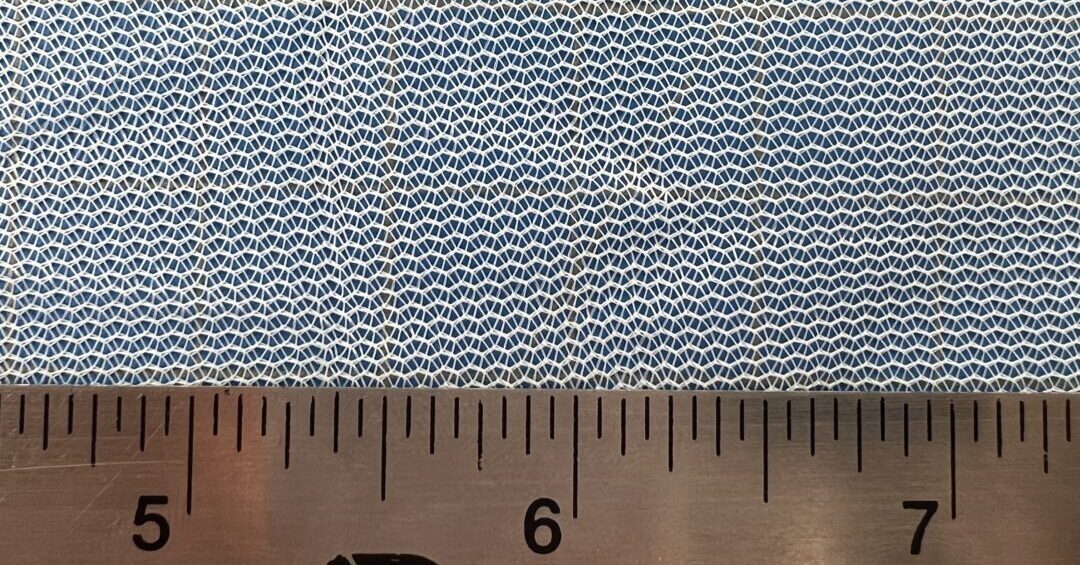
- Mesh – allows for optimum air flow, white which helps in spotting mosquito specimens where as green allows for camouflage. All edges are sewn down to prevent any mosquitoes getting stuck along hems. Holes are small enough to prevent any loss of specimens. See reference photo below for mesh size.
How to use the EVS Collection Bag
This style collection bag, while designed to be used with an EVS-style light or CO2 trap, it can also be used with a CDC Light trap, or any other hanging mosquito trap. The bungee cord closure allows for attachment to different trap types, and the diameter of the bag allows for attaching to trap openings that are 5″ or smaller.
- Attach to your preferred trap type, and leave the bag attached over night or whatever your collection time period.
- Once the collection/surveillance period is over, remove the bag carefully from the trap, as to not lose any specimens. Tightly close the bag opening with the bungee cord closure, and securely transport your specimens to the lab. In some programs, specimens are collected and then placed with dry ice to help preserve the samples.
- Once in the preferred location for identification and testing, mosquitoes can easily be removed from the bag and placed into a sorting tray, storage jar, vials, or dishes for identification. Luckily, all of the raw edges of the bag are sewn carefully away, as to help prevent the snagging of a specimen. Bags can then be sterilized or cleaned before reuse and deployed again.
Additional Information
Other forms of mosquito trapping include our Reiter Cummings Inspired Gravid Trap.
Once specimens are collected, you can use a sorting tray, featherweight forceps, and screw cap vials for sorting.
You can see an example of this collection bag being used by Maricopa County.
Reviews
There are no reviews yet.