Winter Entomology Guide – 10 Entomology Activities To Get You Through The Winter
Winter Entomology Guide
Now that we are in the slow and cold season in the Northern Hemisphere, many entomologically-inclined folks are stuck inside and searching for ways to pass the time. If you belong to this group, you are in luck because we have our Winter Entomology Guide – 10 Entomology-Themed Activities to consider to get you through the winter! Winter is a great time to get prepped for the peak season, brush up on some entomological reading, and also work through your piles and piles of backlogged specimens. We are sure you will find something in our list that will help get you through this chilly season!
1. Pinning Insects
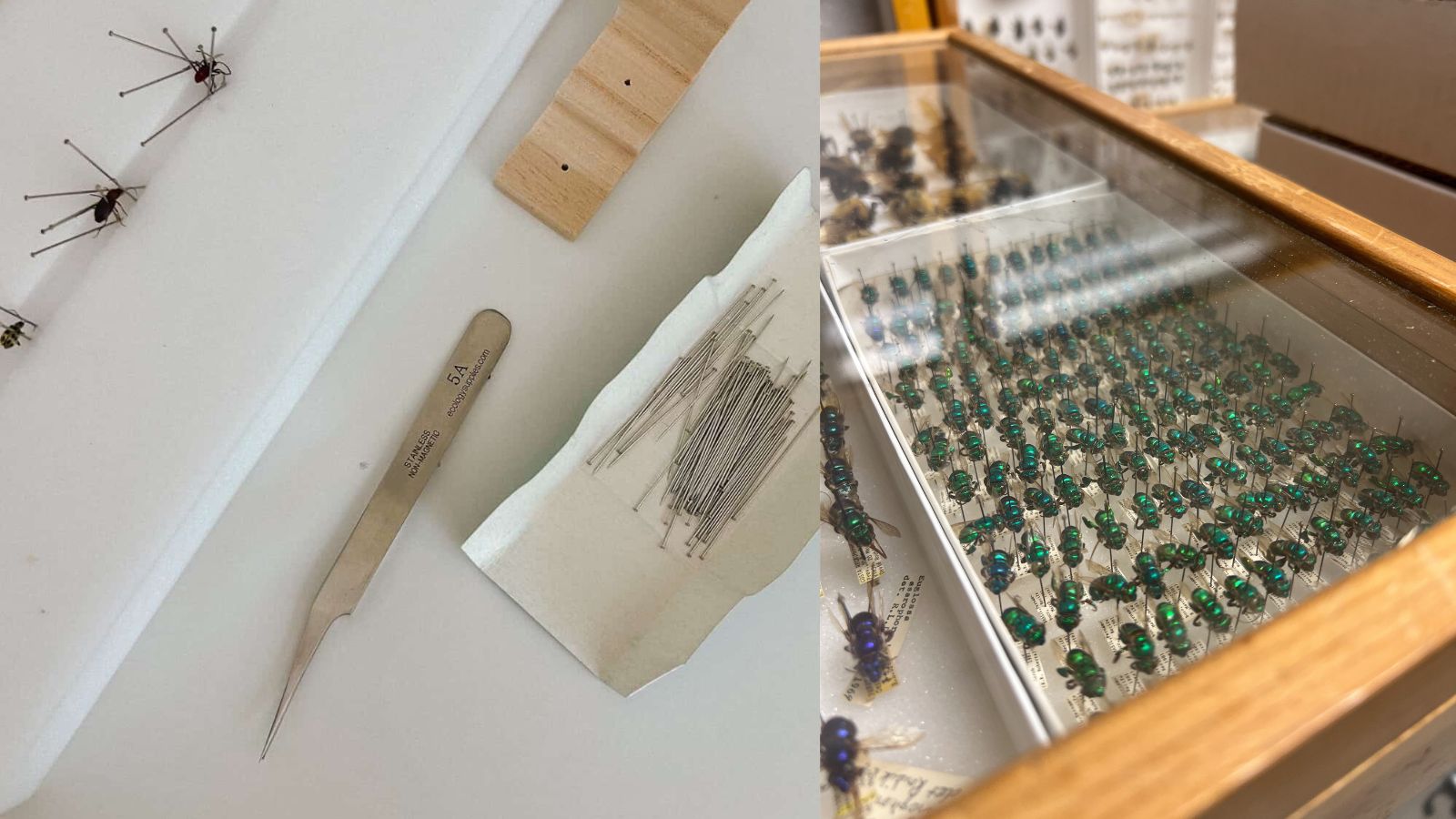
The struggle of many entomologists, new and experienced, is the ever growing pile of specimens to be processed. Whether they are taking up real-estate in your drawers, in your freezer, or there is an unlabeled box full of vials and envelopes in an office, there just never seems to be an end to the number of specimens needed to be
processed!
What better time to commit to reducing even a portion of this pile then while you’re cooped up in the winter! Put on a favorite album or tv show, or maybe plan an insect pinning party with friends!
Pinning Supplies To Get You Started: pins (stainless steal or black enamel), pinning block, pre-cut points, mounting glue, or you can start with a Student Insect Collection Kit.
For more information, Purdue offers visual instruction on “how to” pin!
2. Go On A Winter Hike
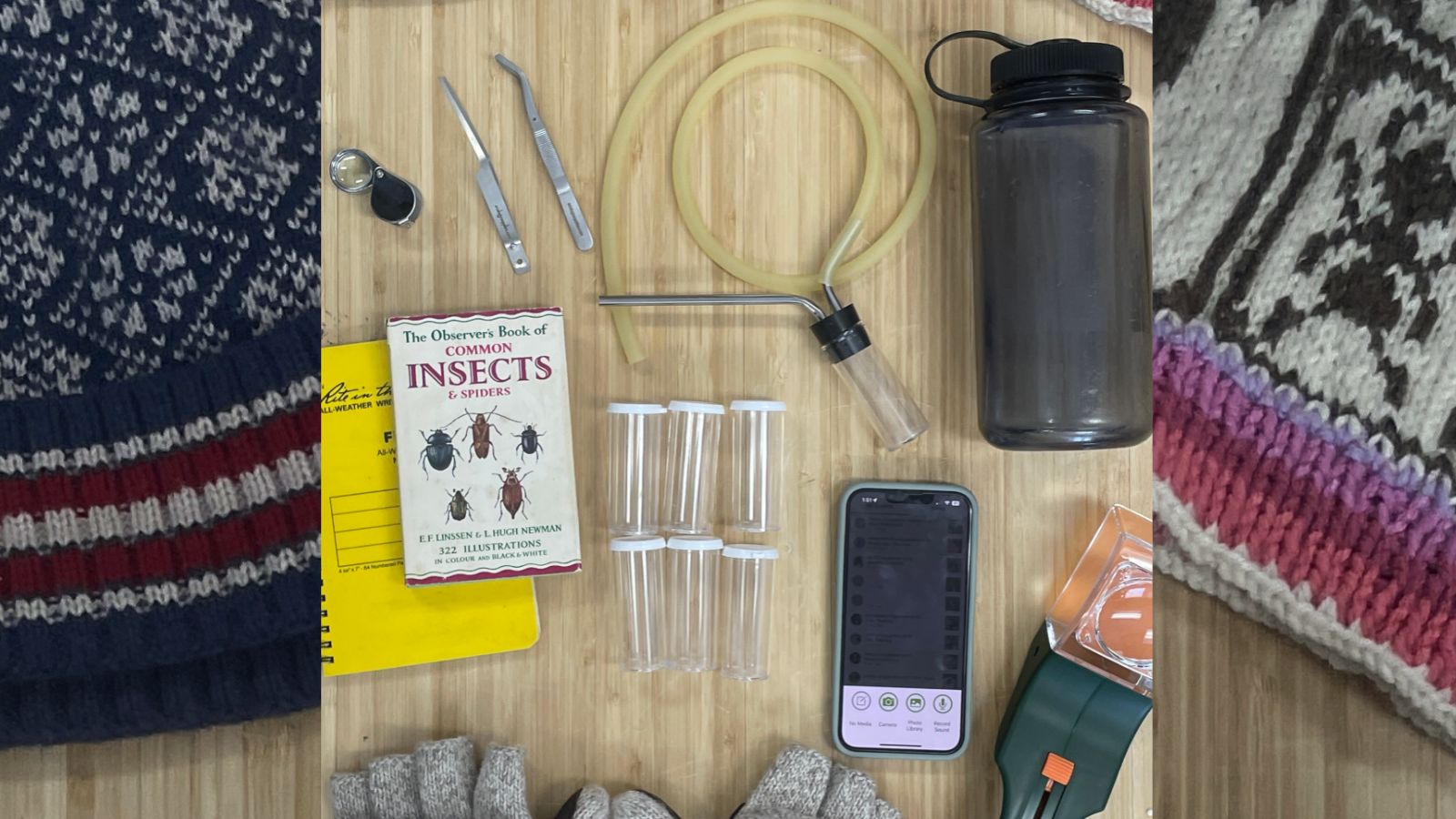
Who says you can’t find insects in the winter? Let’s put on our coats and take a walk outside!
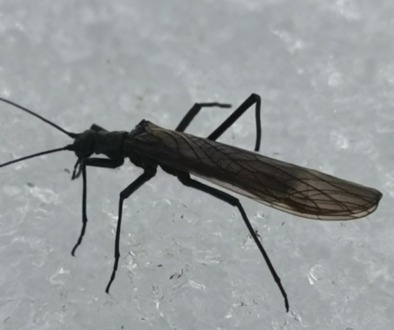
Even though most insects become dormant or migrate during this time of year, there are still a few taking advantage of the cold!
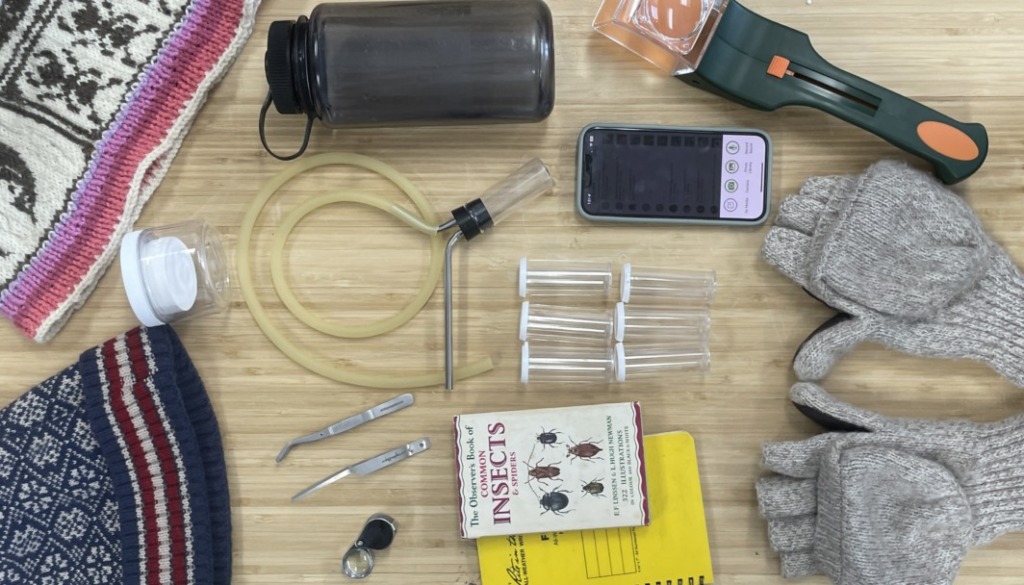
Supplies For An Ultimate Winter Hike: Gloves and a hat, bug catcher, aspirator, snap cap vials, forceps, loupe magnifier, a water bottle, notebook.
Check out this helpful video by Ash Whiffin on what can be found when you are a creative with where to find invertebrates in winter!
3. Insect Illustration
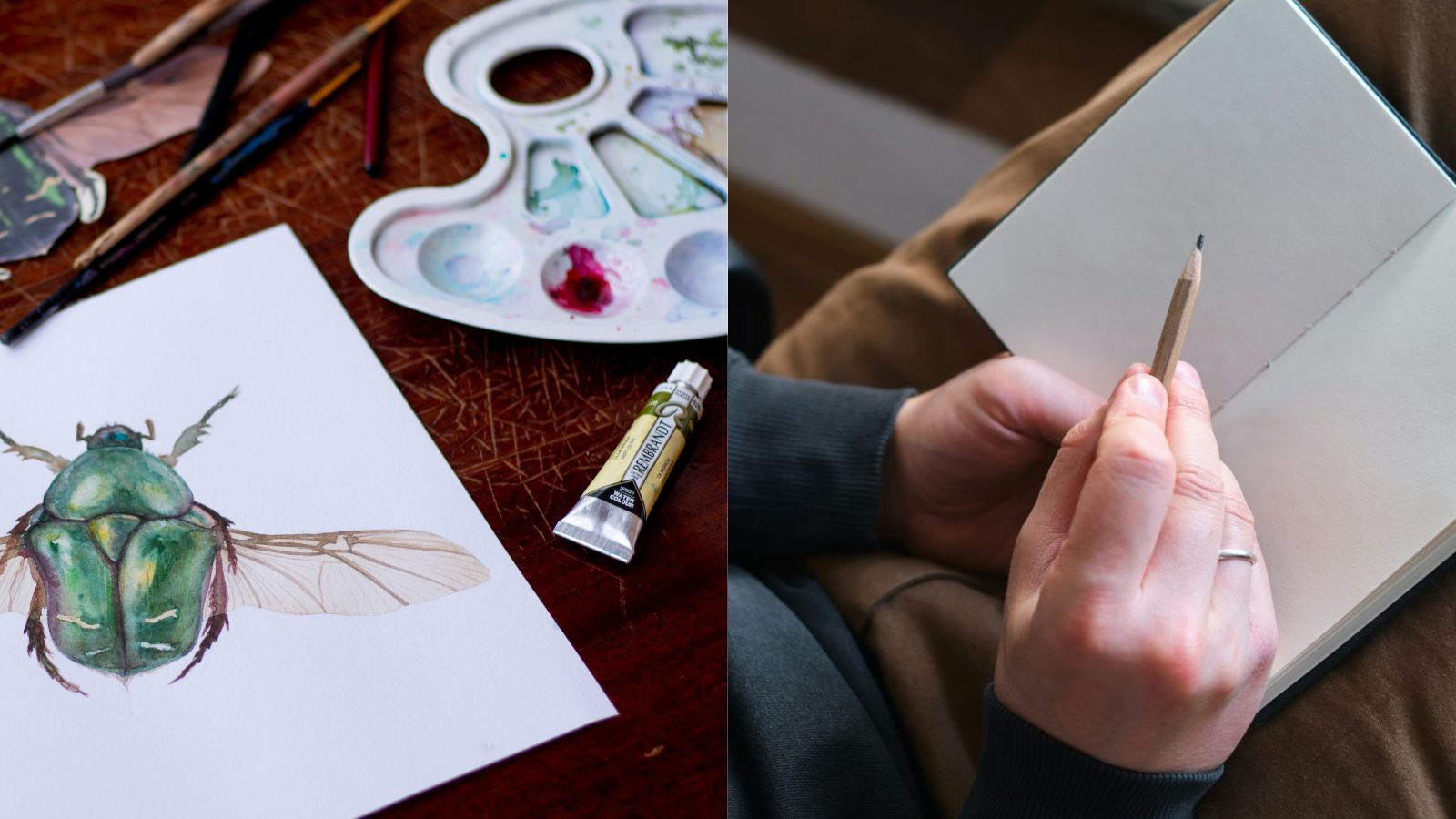
What better way to appreciate the many forms 0f insects and invertebrates than spending time trying to replicate it! Whether you use pencil, charcoal, paint, we are sure you can create something extraordinary!
Another fun idea would be to include friends in your art activities and you could host an informal art show!
If you are using a pinned specimen as your muse, consider using a loupe magnifier to really get all of those details! You could also use our unit trays to get just the right angle.
If you are looking at live specimens, consider an insect rearing cage or portable insect cage.
4. Spreading Insects
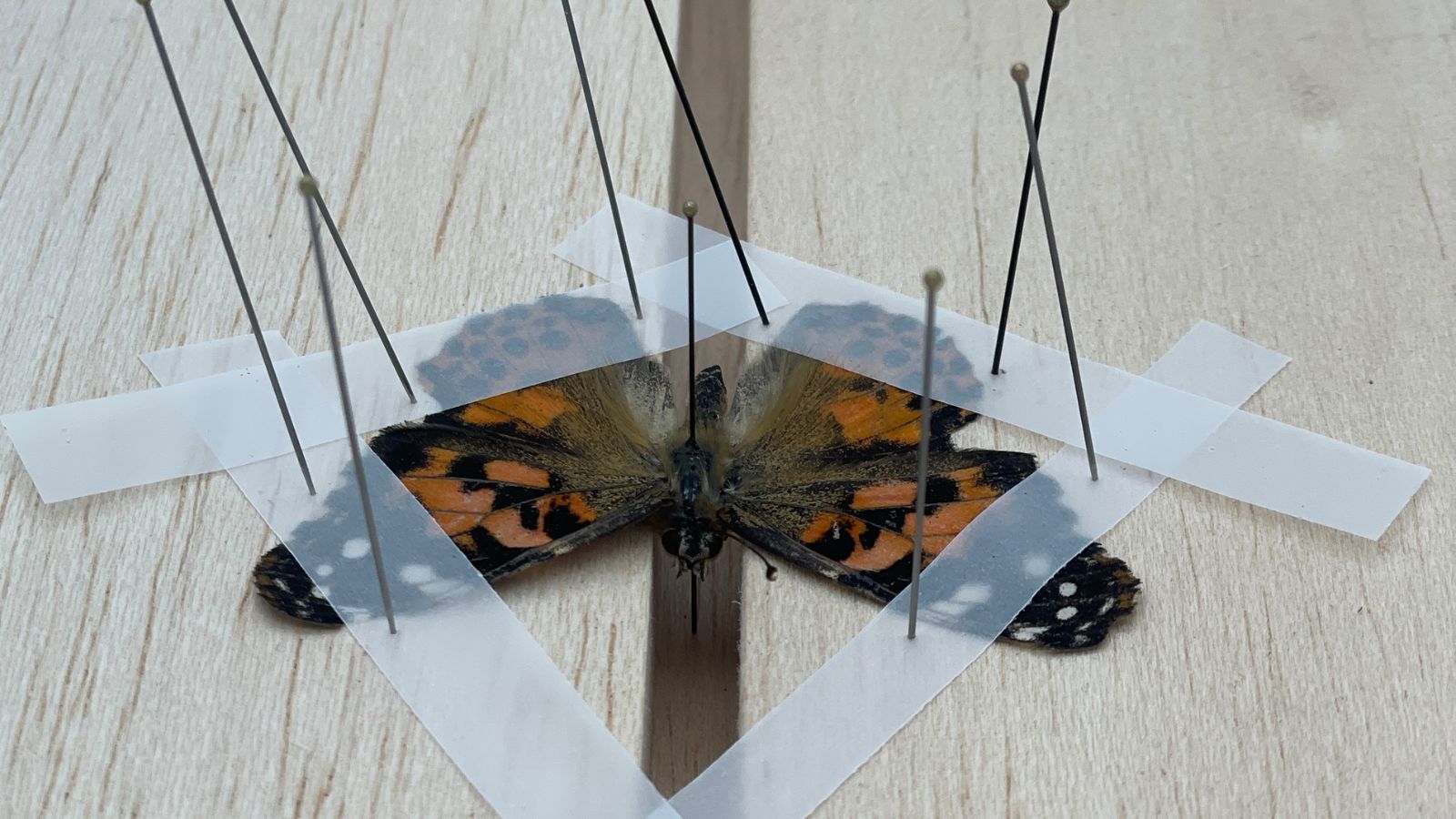 We know that spreading specimens takes time and patience, so let’s take advantage of the slow season and get started on getting those specimens prepped and ready for your collection!
Our spreading boards – whether foam or wood, can get the job done! To help ease the process along, we also offer different sizes of pinning strips to help efficiently lay delicate specimens against the board of your choice.
Supplies For Proper Insect Spreading: pins, spreading board, pinning strips, forceps
If there is any confusion, or just need a little guidance: Oregon State University gives detailed “how to” guide on spreading multiple specimens, large or small.
5. Upload To iNaturalist/Help With Identifications
 Like many entomologists in the Northern Hemisphere right now, the only evidence of green landscapes and warm weather might be in your camera roll. Speaking of which, your camera roll is most likely FULL of those identified or maybe unidentified specimens from those various field trips you have taken. Don’t let those amazing observations stay buried in your camera roll, instead give them a new life on iNaturalist! If you have locality, date, and time you are already on your way to contributing to some amazing data!
If you happen to be really great at uploading directly to iNaturalist, then take some time and help with identifications! They could be in an area you are familiar with, a taxa that you know well, or just helping to narrow unknown observations to order.
Here are a few useful links for using the app:
6. Labeling Your Insects
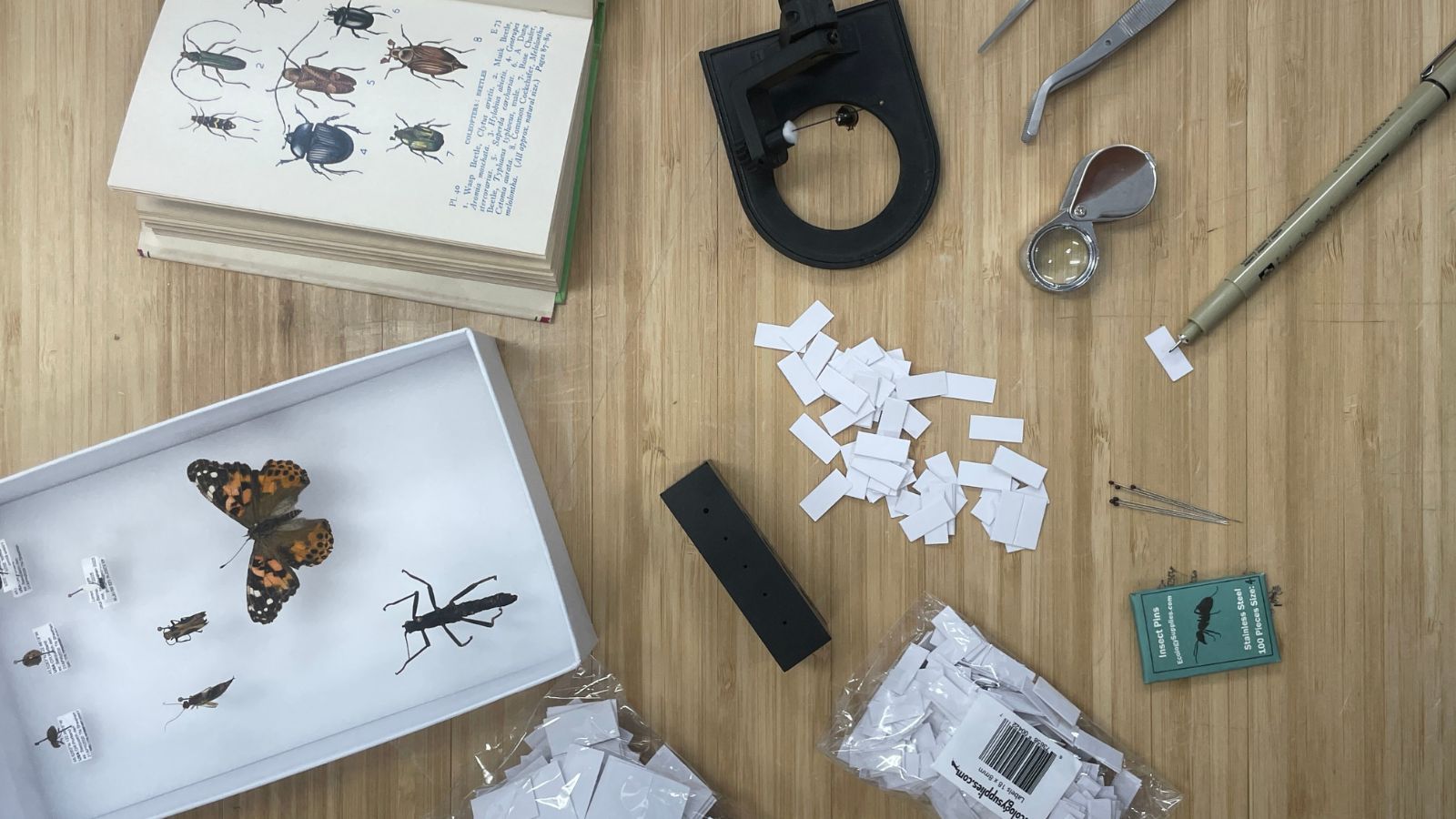 If your pinning is behind, we can also assume that your specimen labeling might need some time and attention as well. A well kept collection is only helpful if all of the critical data is also included with your specimens. This will also help avoid any forgotten or misplaced specimens. We have to admit, it is so satisfying when labels are all aligned.
Tip: Using our pre-cut labels can save the hassle of cutting so that you can spend more time organizing your collection.
Ultimate List of Labeling Supplies: label pens, forceps, archival paper, pre-cut labels, metal pinning block.
Need a refresher? UC Riverside offers guidance on labeling insects, as well as great visuals for reference.
7. Read Entomology Field Guides
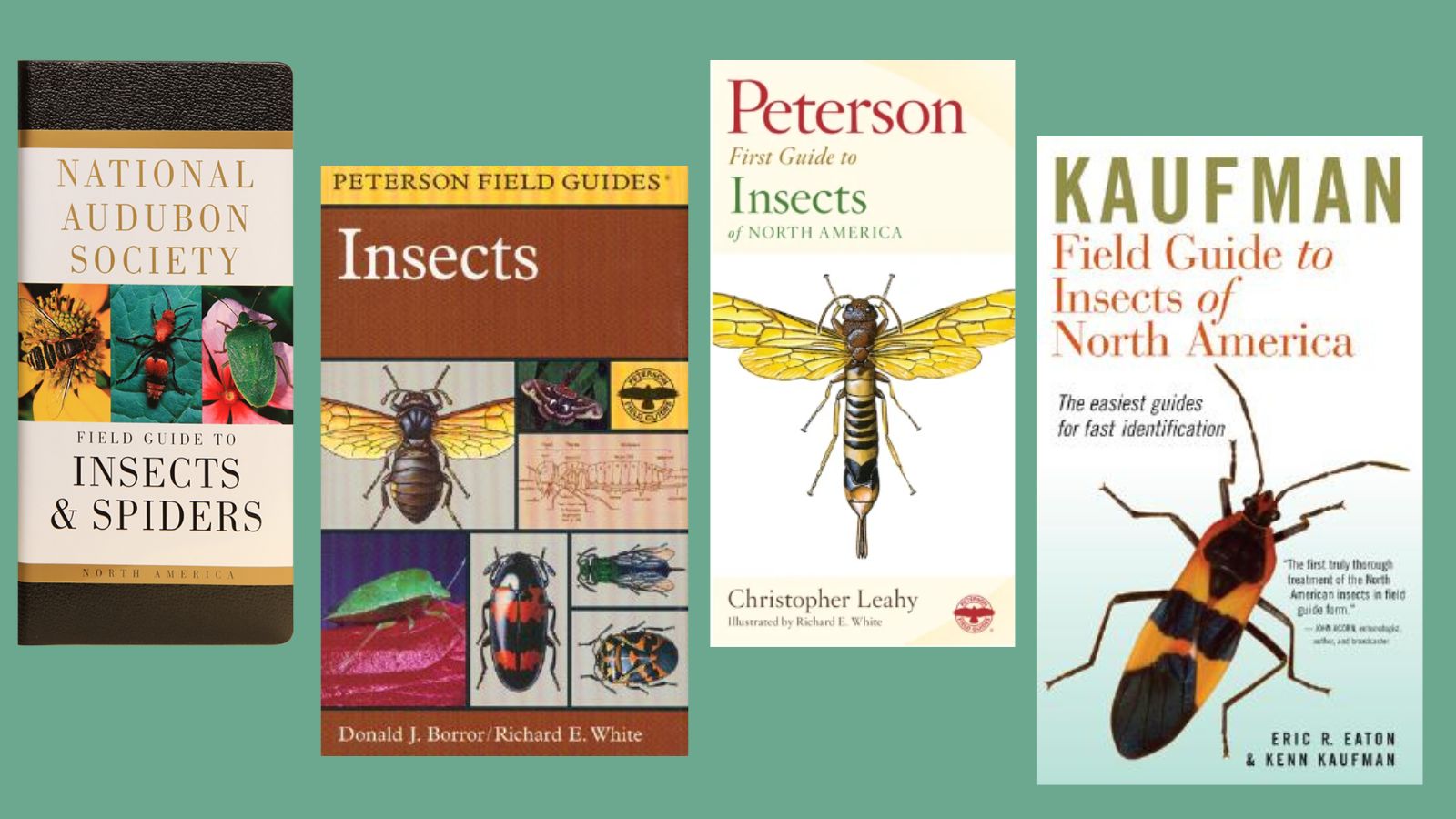
This might be for the extreme entomologist, but what better way to learn about a new taxa, or dive deeper into a taxa you already know than taking time to look through an insect field guide.
This is also a great excuse to look at the images and illustrations in the guides and consider our earlier suggestion to take some time and practice your entomological illustration. Do you have a favorite guide? Here are some of ours!
Field Guide to Insects of North America by Eric R. Eaton & Kenn Kaufman
Smithsonian National Museum of Natural History also has some great resources.
There is also the amazing digital guide that is BugGuide.net!
If you are still working on growing your collection of guides, make sure to checkout your local library!
8. Organizing Your Specimens
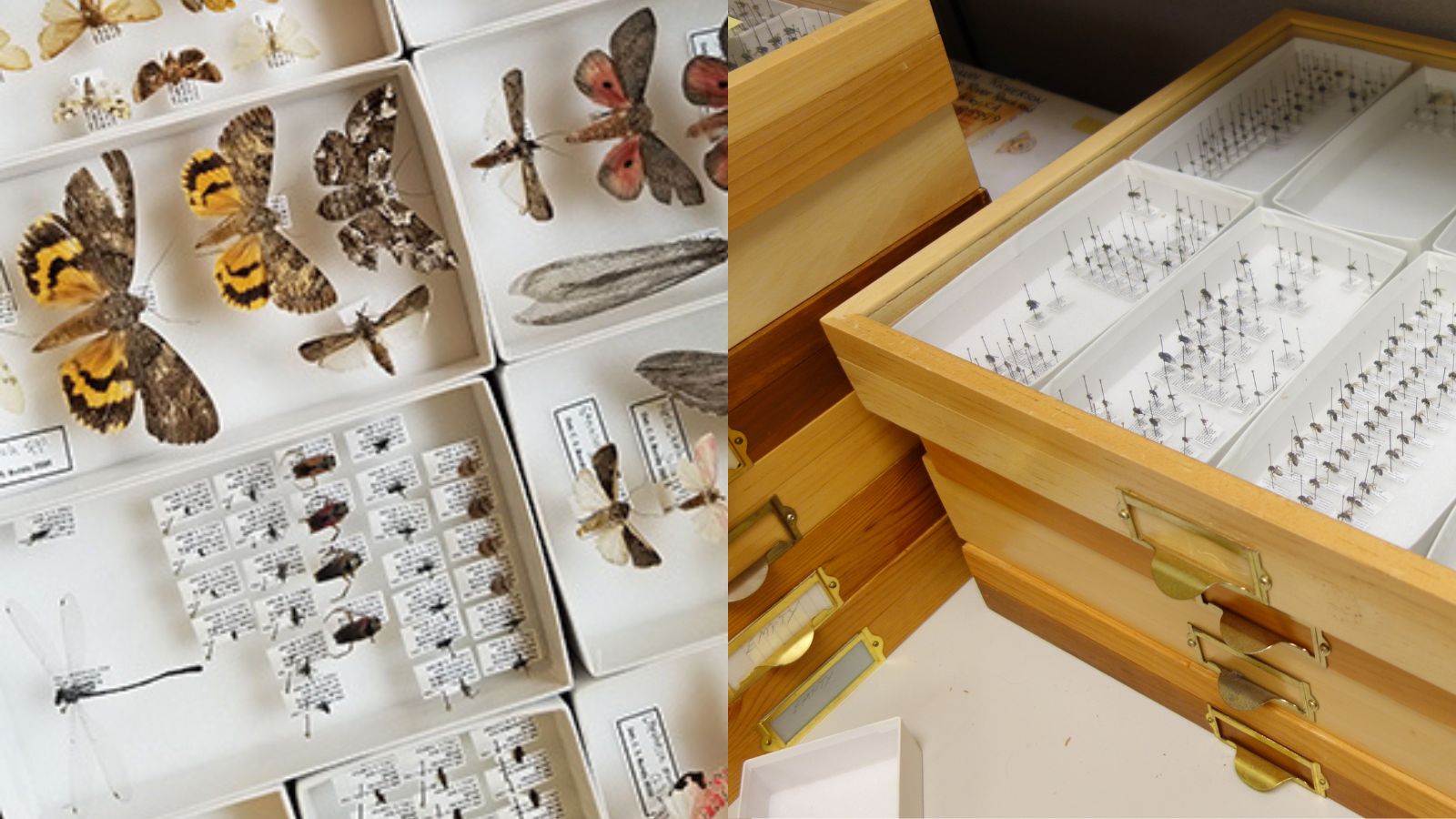 So you’ve finally pinned and labeled your backlog of specimens! The final step is to make sure they are organized so that as your collection grows, you have the space!
For long term preservation, we recommend our Cornell drawers, along with our Cornell Unit Trays. For cost efficient storage, we also offer Folding Insect Storage Boxes, that are great to travel with. We also have California Academy and USNM style unit trays for organizing in your preferred drawer system. We also have label pins if you plan to label a particular group of specimens.
Photo by New Mexico State University Arthropod Collection
NC State Extension offers detailed support on “how to” start your insect collection. Even though it may be a slow season, it is a great time to start sorting through your insects!
9. Read Entomology-Themed Books
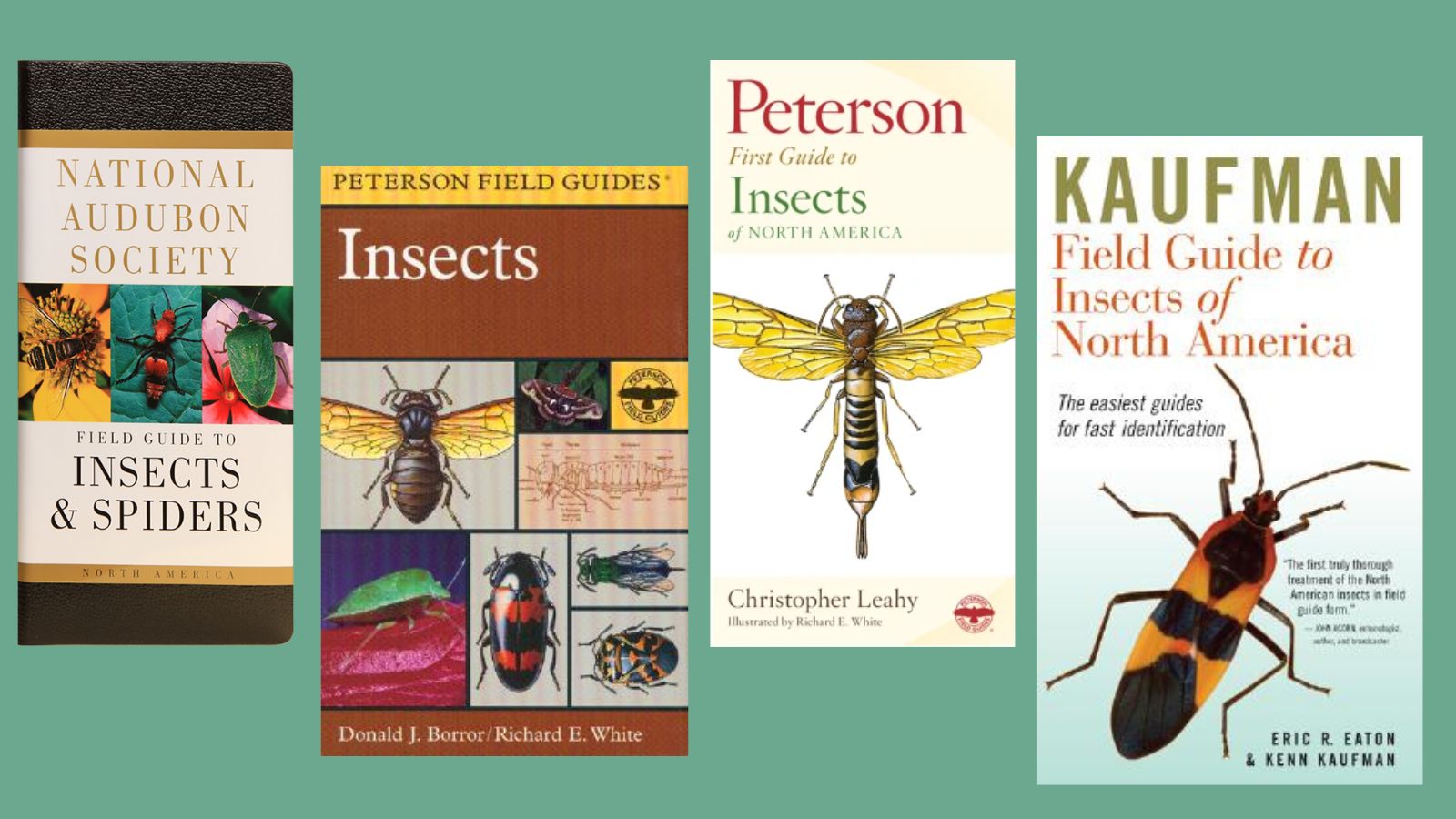 Picture it: Cozying up by the fire and reading a book about insects. You can’t get better than that! Here are some great recommendations for your next winter read:
- Buzz, Sting, Bite: Why We Need Insects by Anne Sverdrup-Thygeson
- Bugged: The Insects Who Rule the World and the People Obsessed with Them by David MacNeal
- Insectopolis: A Natural History by Peter Kuper
- Bugs in the System: Insects and Their impact on Human Affairs by May R. Berenbaum
- Endless Forms: The Secret World of Wasps by Seirian Sumner
- The Insect Epiphany: How Our Six-Legged Allies Shape Human Culture by Barrett Klein
As always: Stop by your local library for a larger selection of great entomology books!
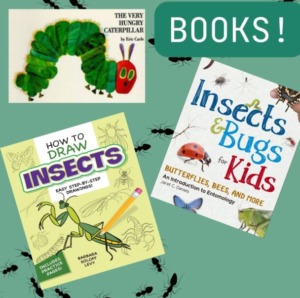
For the Kids:
Too cold to play outside? Not a problem!
Reading books is great for boosting brain power.
Here are some great recommendations for the young, aspiring entomologists:
- Insects & Bugs for Kids – An Introduction to Entomology by Jaret C. Daniels
- How to Draw Insects by Barbara Soloff Levy
For more bug activities check out: National Geographic Kids!
10. Take up Insect Photography
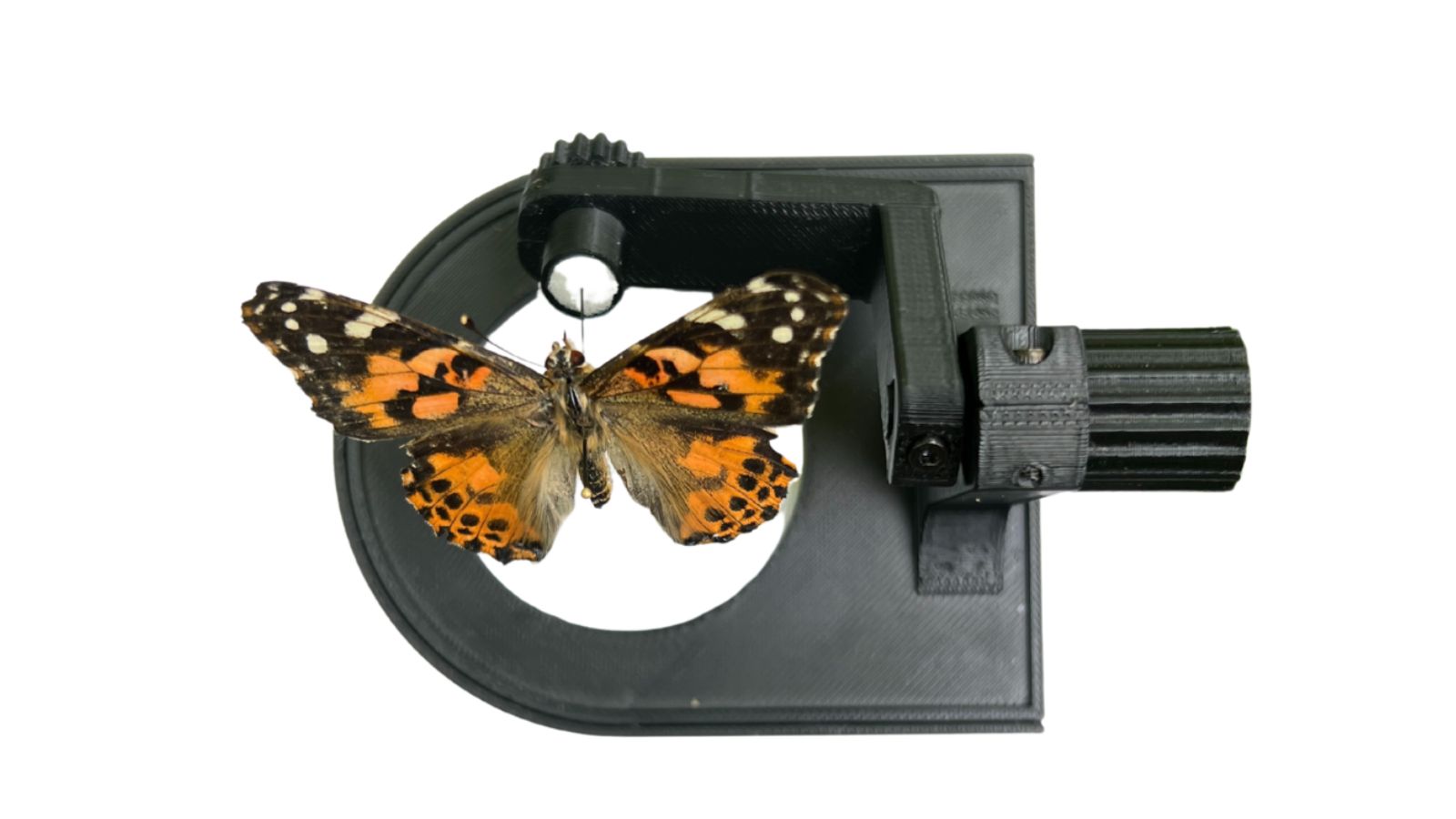
Whether it’s for your own personal records, or you’re planning to upload some observations to iNaturalist, or you’re going to post on social media, Insect Photography is a great way to pass the time during the cold months!
After you have taking all of that time to pin and spread those specimens, they deserve to be shown off and immortalized forever.
Consider using our pinned specimen manipulator to get your specimens in perfect position.